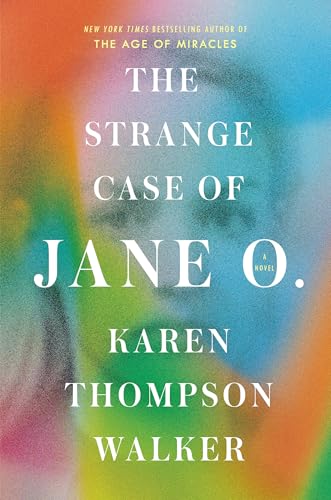
Cover image from Goodreads.com
Jane, a single parent, awoke in a field after going missing for just over a day. With no memory of the event, she goes to see Dr. Byrd, a psychologist, for help. During this period of treatment, she disappears for nine days, this time with her one year old son.
Dr. Byrd encourages her to keep a diary, so she writes letters to her child as a way of explaining things. In those letters, she chronicles the rise of a pandemic, one which she believes her son to be a victim.
Except her son is alive and happy, no trace of illness.
The story weaves between what could be considered alternate realities, where Jane is able to recite what is on Dr. Byrd’s bookshelf during a video call when Dr. Byrd insists there was no such call. Except the items described were exactly what he had in his old apartment. With no other explanation of how she could know that, Dr. Byrd slowly accepts that Jane viewed events in a different timeline.
I wanted this novel to have a different, more substantial ending. I wanted to know, definitively, whether Jane was in fact visiting other timelines or if there was something else at play here. Instead, the ending somewhat vaguely indicates that the possibility of multiple dimensions or timelines can exist, but also may not.
The novel is written beautifully, with thoughtful prose. With the exception of the letters written by Jane, the story is in first person from Dr. Byrd’s point of view. This immersive first person viewpoint helped keep the reader in the dark about why Dr. Byrd had to move to shabbier offices, as well as give the reader the impression of an unreliable narrator.
Overall the novel is interesting, though, and a study of memory, love, and loss.
 Should Be Writing